
The holiday season is meant to feel joyful and uplifting. Still, for many people, ‘tis the season when back pain starts creeping in. Between taking long flights, lifting heavy boxes, and rushing through holiday errands with little to no rest, your back muscles go through more strain than usual, which is why learning how to prevent back pain during holiday travel is so important. Even the mild temperature dips we experience in coastal Florida can tighten tissues enough to trigger a sore lower back, upper back ache, or even a lower back sprain if you are not prepared.
A survey by the University of St. Augustine for Health Sciences found that half of the American population experiences pain during the holidays, with back pain being the most common among them. However, with the right preventive strategies, you can enjoy the holiday season comfortably and keep your back strong and resilient.
This guide breaks down practical, research-backed steps to prevent back pain during the holidays, with insights tailored to the active, outdoor-friendly lifestyle of Juno Beach.
Table of Contents
Immediate Self-Care That Works to Prevent Back Pain During Holiday Travel
When neck or back pain flares up, the first priority is quick relief so that you can get back to the holiday celebrations. Trying to “tough it out” usually makes things worse. Instead, try this simple 3-step reset:
- Make a move: Many studies have shown that prolonged bed rest can actually delay recovery. Instead, light movement, like walking, can increase circulation and reduce stiffness that causes neck and back pain. While light movement is advisable, you should avoid high-impact workouts or carrying heavy loads until the pain eases. Staying lightly active is one of the simplest ways to prevent back pain during holiday travel, especially during long flights or drives.
- Do targeted mobility drills: A few minutes of hip hinges, cat–cow, and thoracic rotations can restore spinal mobility and reduce pressure on the lower back. For neck pain, gentle cervical range-of-motion, like side-to-side neck movement and chin tucks, helps reduce stiffness.
- Reset posture: Use a lumbar roll for seated travel or a folded towel under the lower back to support the natural curve of the spine. To avoid neck strain, you can support the head with a small pillow, especially when you have to sit for long periods.
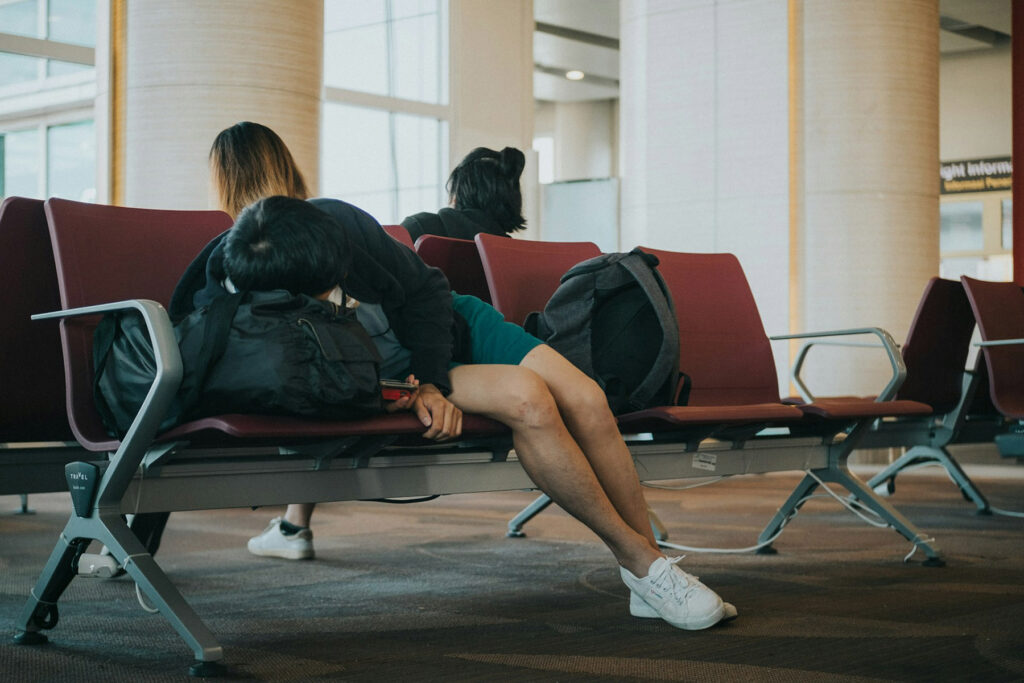
These simple early actions reduce pain intensity and accelerate recovery, making them the most powerful immediate remedy for holiday-related aches.
Massage for Skipping Pain This Holiday
Why Massage Helps Prevent Holiday Back Pain
Massages like deep tissue massage and sports massage deserve a leading spot in any holiday pain-prevention plan. These are not just relaxing. They are therapeutic interventions that target the exact muscle groups that tighten and cause discomfort from prolonged stress.
Research published in the International Journal of Therapeutic Massage & Bodywork shows that massage can improve circulation. It also reduces neuromuscular tension and decreases perceived pain. The Mayo Clinic and Cleveland Clinic also recognize massage as an effective supportive therapy for musculoskeletal discomfort.
Key Benefits of Therapeutic Massage
Here’s how massage therapy can assist you during this holiday bustle:
- Releases trigger points that cause pain in the neck, upper back, or shoulder blades (common after long drives or carrying luggage).
- Improves circulation to sore lower back muscles and tight upper traps, helping tissue recovery.
- Restores range of motion, so you can return to your routine activities without compensation patterns that perpetuate pain.
- Lowers stress hormones and reduces muscle fatigue. This is a big help when holiday stress tightens the neck and shoulders.
This makes massage a valuable tool to prevent back pain during holiday travel, particularly when tight muscles or stress make symptoms worse.
A short 30 to 60-minute pre-holiday massage can prevent minor pains from troubling you throughout the holiday season. If pain is moderate or persistent, pair the massage with a professional evaluation. This gives you a long-term structured plan of recovery.
Discover why sports massage is becoming one of the most sought-after recovery therapies. Read our latest blog to learn what’s driving its surge in popularity.
These therapies are the simplest home remedies you can try to calm those sore muscles and relieve your strained back.
- Cold Therapy: Use cold therapy within the first 24–48 hours after an acute strain. Apply an ice pack for 10-20 minutes at a time for at least 2-3 times a day. Ice reduces swelling and numbs sharp pain.
- Heat Therapy: Use heat therapy for stiffness and chronic tightness. A warm shower, heating pad, or warm towel increases tissue flexibility and soothes sore middle back and neck muscles. You can use heat therapy 2-3 times a day for 10-20 minutes.
- Contrast therapy: Alternating warm and cold therapy can help flush metabolic waste and reduce muscle soreness after traveling or undergoing intense activity. Contrast therapy, for enhanced circulation and recovery, is especially helpful when trying to prevent back pain during holiday travel, since long periods of sitting can increase stiffness.
These topical thermal therapies are easy to apply and often provide quick relief.
Sleep, Hydration & Recovery Nutrition
Rest and nourishment are core treatments that accelerate tissue repair. While sleep and hydration will make you feel refreshed, good nutrition will give your body the energy to recover faster.
Sleep
During deep sleep, your muscles and spinal tissues repair themselves, helping reduce upper back ache and general lower back muscle strain.
According to Harvard Medical School, sleep deprivation is associated with an increase in inflammatory markers. When you get proper sleep, you ensure that you do not fall prey to inflammation and also improve your body’s resilience during the busy holiday activities. Rested muscles, calmer nerves, and better posture all make you far less likely to experience back spasms or neck tension.
Hydration
A study in the Journal of Healthcare Engineering found that dehydration decreases disc height and increases mechanical stress on the spine. Proper hydration also supports muscle elasticity, helping reduce lower back sprain and tension caused by the unending holiday errands.
Drinking water consistently throughout the day keeps your spine resilient and pain-resistant. It is the most underrated way to prevent pesky muscle and back pain.
Nutrition
Eating the right foods during the holiday season can play a powerful role in preventing back and neck pain. Anti-inflammatory nutrients like Omega-3 and Magnesium help recovery from minor discomforts such as a sore upper back or lower back muscle strain. A study published in The Journal of Pain found that diets high in anti-inflammatory foods were associated with lower levels of chronic musculoskeletal pain. Prioritizing leafy greens, berries, fatty fish, nuts, and whole grains can keep inflammation down, support strong back muscles, and help your spine stay healthier throughout the holidays.
You Can Make This Holiday Season Completely Pain-Free
The holiday season should leave you with lots of memories, not weeks of neck or back pain.
There are many ways to prepare your body for the hectic season ahead. You can start doing mobility exercises, schedule a therapeutic massage for proactive tissue care, alternate heat & cold therapy for your problem areas, and prioritize sleep, hydration, and nutrition.
Combined, these remedies will prepare your body for the celebration flurry, help you prevent back pain during holiday travel, and allow you to enjoy the season to the fullest.
If you want help with getting your pain-free holiday plan on schedule, start by browsing our massage therapy services at Ideal Wellness or fill out the form below.
Featured Image Credit: Harry Knight
Poor Posture Airport Image Credit: Joyce Romero
Read our detailed blog on how sports massage helps even elite athletes to recover after intense training, protecting them from injuries.