
Life in Juno Beach naturally encourages an active lifestyle. Between early morning runs along the coast, cycling through nearby communities, and regular gym training, many adults rely on fitness watches and health trackers to monitor their activity. These devices estimate calories burned, track heart rate, and suggest training zones, putting a steady stream of health data right on the wrist.
Over time, however, many people notice something that raises questions: the numbers on the watch do not always match how their body actually feels or performs. Someone may follow the calorie estimates closely yet still struggle with energy levels or recovery. Others train consistently but remain unsure whether they are exercising at the right intensity.
This is where the conversation around metabolic testing vs wearables becomes important. Wearable devices are excellent for tracking activity trends, but they rely on algorithms and population averages. Metabolic testing, on the other hand, measures how your body actually uses oxygen and energy. As a result, it provides individualized data that can guide smarter decisions about nutrition, training, and recovery.
Table of Contents
Why Wearables Rely on Estimates
Wearable fitness trackers rely on sophisticated algorithms to estimate calorie burn and activity levels. These calculations are helpful for tracking trends, but they still rely on population-based averages rather than directly measuring your unique metabolism.
Research from the Stanford University School of Medicine found that although wearable devices often measure heart rate reasonably well, calorie estimates can be far less reliable. According to the study, even the most accurate device was off by an average of 27 percent, and the least accurate was off by 93 percent.
This limitation is not necessarily a flaw in the technology. It reflects the challenge of predicting complex metabolic processes using generalized formulas. Because metabolism varies significantly from person to person, two individuals performing the same workout may burn very different amounts of energy.
Where Wearables Are Useful (and Where They Fall Short)
Why Massage Helps Prevent Holiday Back Pain
Despite their limitations, wearable devices provide several valuable benefits. Whether it is logging a beach run, a cycling session along the coast, or a workout at a nearby Juno Beach gym, these devices are particularly good at answering the question: How much did I do today?
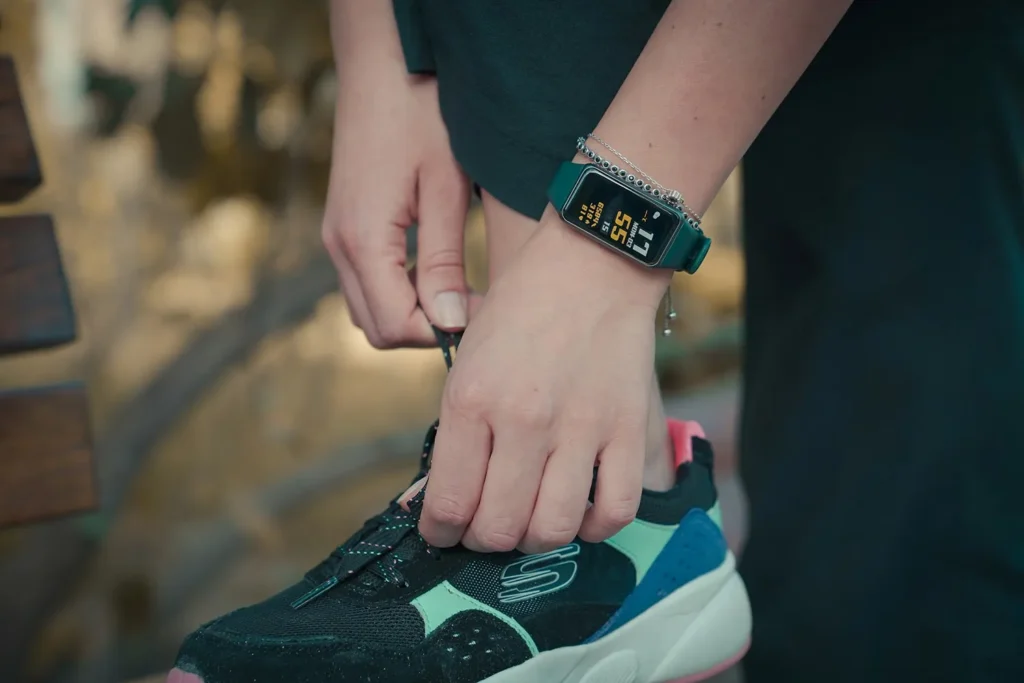
Many active adults also find wearable data helpful for identifying general patterns in sleep, recovery, and daily steps. However, this is where their utility runs out. Wearables are not equipped to answer deeper wellness questions, such as:
- How many calories does your body truly burn at rest?
- Which energy systems does your body rely on during exercise (fat vs carbohydrates)?
- What should your optimal nutritional intake be?
These questions depend on individual metabolic processes. Even small daily errors in wearable calorie accuracy can compound over weeks and months, creating confusion around nutrition planning or training progress.
How Metabolic Testing Measures What Wearables Can’t
Metabolic testing takes a different approach. You are not estimating calorie expenditure from activity data; you are measuring it through physiology.
With metabolic testing, we measure how your body actually uses oxygen and produces carbon dioxide during rest or exercise. This process, known as indirect calorimetry, allows professionals to calculate energy expenditure based on gas exchange in the lungs. Scientific studies identify indirect calorimetry as the gold standard for measuring metabolic rate and exercise physiology.
During a metabolic test, you breathe through a mask connected to specialized equipment that analyzes oxygen consumption. From this data, we determine:
- Resting Metabolic Rate (RMR): Your exact baseline calorie needs
- Fuel Utilization: Whether your body is efficiently burning fat or relying too heavily on carbohydrates
- Personalized Training Zones: Your exact heart rate thresholds for recovery, fat burn, and performance
Since this method measures your specific physiological response, it answers the common question: is metabolic testing accurate? The answer is yes. Compared with algorithm-based estimates, metabolic testing provides a far more individualized and accurate picture of how your body produces and uses energy.
More from Ideal Wellness
Learn more about metabolic testing in our detailed guide to understand how it can support better health decisions:
https://www.idealwellnessfl.com/resources/metabolic-testing-stop-guessing/
Why Estimates Create Frustration Over Time
For many active adults in Juno Beach and Jupiter, the difference between estimated data and measured physiology becomes noticeable over time. You may follow the calorie targets suggested by your watch but still feel under-fueled during workouts. Others may unknowingly consume more calories than they expend because their wearable device overestimates their daily burn.
These mismatches can lead to:
- Difficulty maintaining energy levels during training
- Plateaus despite consistent exercise habits
- Confusion around nutrition planning and macro-nutrient ratios
- Uncertainty about whether your workout intensity is too high or too low
When Wearables and Metabolic Testing Work Together
The metabolic testing vs wearables discussion is not about replacing your watch. Instead, it focuses on understanding the role each tool plays.
Wearables are particularly useful for day-to-day accountability. They help you track your consistency and long-term activity patterns. Metabolic testing provides the foundation for understanding your body. When these tools are combined, the results are much more useful. Metabolic testing establishes your accurate needs, and your wearable helps you track how consistently you follow those recommendations in daily life.
In simple terms, wearables track behavior, and metabolic testing measures physiology.
Gain Clarity on Your Personal Metabolism
If you are tired of relying on estimates and want clearer answers, we can help. Ideal Wellness offers metabolic testing in a comfortable, professional environment right here in Juno Beach, serving clients from Jupiter and surrounding areas. By replacing guesswork with precise measurements, you can better align your nutrition and training with your body’s actual needs.
Or request more information through our contact form below.
Or request more information through our contact form below.
Image Credits: Onur Binay
Contact Ideal Wellness
Get In Touch
Have a question or want help choosing a service? Reach out anytime.
- 13700 US-1 STE 202A, Juno Beach, FL 33408
- (561) 345-0956