
Have you ever gone to bed feeling exhausted, only to end up staring at your smartphone for hours? 50 percent of Americans share your dilemma. Many are looking for how to sleep better naturally, but sleep still eludes them. Sedentary workdays, late night screens, unrelenting stress, and irregular routines can leave you too exhausted to shut down.
And what’s worse, not only can you not sleep, you don’t feel well-rested even when you do.
Stress, lifestyle, food habits, immediate environment, and many other factors affect the quality of your sleep. However, there is an antidote to each of them. This article will show you how to sleep better naturally without medication. It will unpack the 5 most potent ways to sleep deeper and longer.
Start with the simplest changes and build up to get uninterrupted, restful sleep every night.
Table of Contents
Understanding the Significance of How to Sleep Better Naturally
Readjusting your attitude towards sleep is the first step towards getting better sleep. When you give sleep the importance it deserves, you will witness the changes in your energy levels, cognitive abilities, and general well-being.
Sleep is not “downtime”. It’s an active, essential process that allows your brain and body to recover, adapt, and function at their best. During deep sleep, tissues repair, muscles recover, memory consolidates, and hormones regulating stress, appetite, and energy are recalibrated.
According to the CDC, adults who consistently fail to get enough sleep face higher risks of cardiovascular disease, weakened immunity, impaired cognition, and mood disorders. Further, athletes who don’t get sufficient sleep grapple with slower reaction times, reduced endurance, and increased injury risk.
If you are looking for ways to learn how to sleep better naturally, the answer starts with respecting sleep as a foundation. Sleeping when you find time is not the way to do it. You should have at least a fixed 7-hour period blocked each day for sleep. Keeping consistent sleep and wake times is equally important.
When you respect sleep as an actively managed part of the day, you will be better placed to benefit from these tips and enjoy a rejuvenating sleep time.
Pay Attention to What You Put into Your Body & When
Why Massage Helps Prevent Holiday Back Pain
What you eat and when you eat it can support or sabotage your sleep.
Going to bed on an empty stomach can trigger cortisol spikes that can disrupt sleep. On the other hand, heavy meals late at night increase body activity and temperature, making it harder to fall asleep. Avoid foods that contain a lot of fat, spices, sugars, and acids. You should also avoid any alcohol or caffeinated drinks late in the evening.
Focus on eating a balanced diet in the evening with complex carbohydrates, little fat, and lean protein. You can also enrich it with micronutrients that help in sleep regulation.
- Find ways to add Tryptophan to your diet. Tryptophan is an amino acid that manages serotonin, which helps in sleep regulation. Good sources of Tryptophan include eggs, chicken, cheese, edamame, fish, peanuts, tofu, and pumpkin seeds.
- A hormone called Melatonin is also critical to regulate the sleep cycle. It is readily available in foods like tart cherries, unsweetened cherry juice, milk, pistachios, almonds, and eggs.
- Nutrients like Potassium and Magnesium promote muscle relaxation and help the body sleep. Bananas, sweet potatoes, avocados, and spinach are all good sources of these nutrients.
Hydration is critical to improve your sleep, but timing it right is also important. Staying hydrated throughout the day helps regulate circulation and muscle function, but excessive fluids right before bed can lead to sleep interruptions. Making thoughtful choices about food and timing is a practical step toward learning how to sleep better naturally.
Find out more about the huge body of scientific research that explains how massage helps in maintaining an active lifestyle.
Massage Therapy Supports Deeper Rest
Massage therapy is often associated with relaxation, but its influence on sleep goes far beyond simply “feeling calm.” When you commit to learning how to sleep better naturally, therapeutic touch can become a powerful sleep aid. It directly affects the nervous system and the hormones that regulate sleep and recovery. In recent years, massage has emerged as a meaningful, evidence-backed tool for improving sleep quality.
Studies published in the International Journal of Neuroscience have found that massage therapy reduces cortisol, the body’s primary stress hormone. At the same time, it helps increase serotonin, the neurotransmitter that supports relaxation. Serotonin also regulates melatonin production, which governs the sleep–wake cycle.
Massage therapy also helps address physical contributors to poor sleep, including muscle tension, restricted circulation, and lingering discomfort from daily activity or prolonged sitting. Research published in the BMC Complementary Medicine and Therapies reported improvements in sleep quality, pain, and fatigue among individuals receiving massage therapy.
By calming the nervous system and easing physical stress signals, massage helps the body fully “power down” at night, supporting deeper and more restorative sleep, without relying on medication. Incorporating regular massage therapy into your routine can provide ongoing support for relaxation and sleep quality.
More from Ideal Wellness
Screens don’t just hinder good sleep; they make you feel tired throughout the day. Read our article on how massage therapy and other interventions help reduce screen fatigue and restore energy.
Consciously Create a Sleep-Friendly Environment
Your sleep environment has a direct impact on how easily and deeply you rest. Even small adjustments can significantly improve sleep quality.
Light exposure is one of the most important factors that affects your sleep. Blue light from phones, laptops, and TVs suppresses melatonin, the hormone that signals your body: “It’s time to sleep.” The National Institutes of Health (NIH) recommends dimming lights and limiting screens at least an hour before bed.
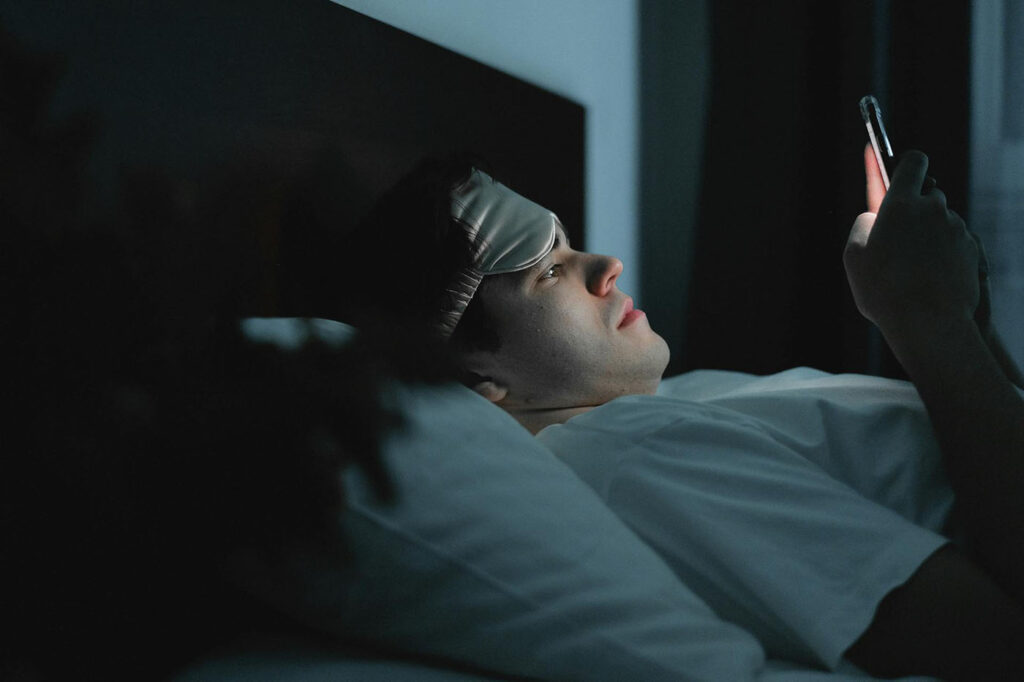
The ambient temperature of your bedroom also matters. Research cited by the Cleveland Clinic shows that a slightly cool room with temperatures between 60°F and 67°F (15°C to 19°C) is ideal. It helps the body drop its core temperature, which signals the brain that it’s time to sleep.
Finally, turn your attention to your mattress and pillows. Proper spinal alignment reduces nighttime tossing, muscle guarding, and pressure points. A comfortable bed is especially important for people dealing with tight hips, shoulders, or lower backs. Optimizing your environment is another simple way to support how to sleep better naturally without changing routines drastically.
Learn How to Sleep Better Naturally. It’s Easy.
There is no single solution for sleeping through the night. However, healthy sleep habits work together to improve sleep naturally over time.
For active adults, sleep is not just about rest; it’s also about everyday performance and long-term health. Supporting your body with consistent routines and professional care makes all the difference.
At Ideal Wellness, you can consult experienced and certified massage therapists who support better sleep through hands-on care. If you are ready to improve your sleep quality, call Ideal Wellness to learn how massage therapy may help.
Image Credits: SHVETS production
Why These Methods Work Best Together?
Screen fatigue isn’t caused by one thing, and it rarely responds to one solution. It’s the result of visual strain, reduced movement, and nervous system overload. When movement, eye care, and recovery practices like massage therapy work together, they prevent you from feeling drained.
Over time, these habits reduce discomfort, and change how your body handles long hours of screens, making screen fatigue easier to manage. You get tired less, and even when you do, you recover quickly.
Working with active adults and professionals in Juno Beach, we consistently see how small recovery gaps from screen use can compound into daily fatigue. Addressing those patterns early makes a noticeable difference.
Build good lifestyle habits to fight screen fatigue and leave the rest to the expert massage therapists at Ideal Wellness. Start your journey to a more energetic new year by booking a massage session at Ideal Wellness.
Contact Ideal Wellness
Get In Touch
Have a question or want help choosing a service? Reach out anytime.
- 13700 US-1 STE 202A, Juno Beach, FL 33408
- (561) 345-0956